
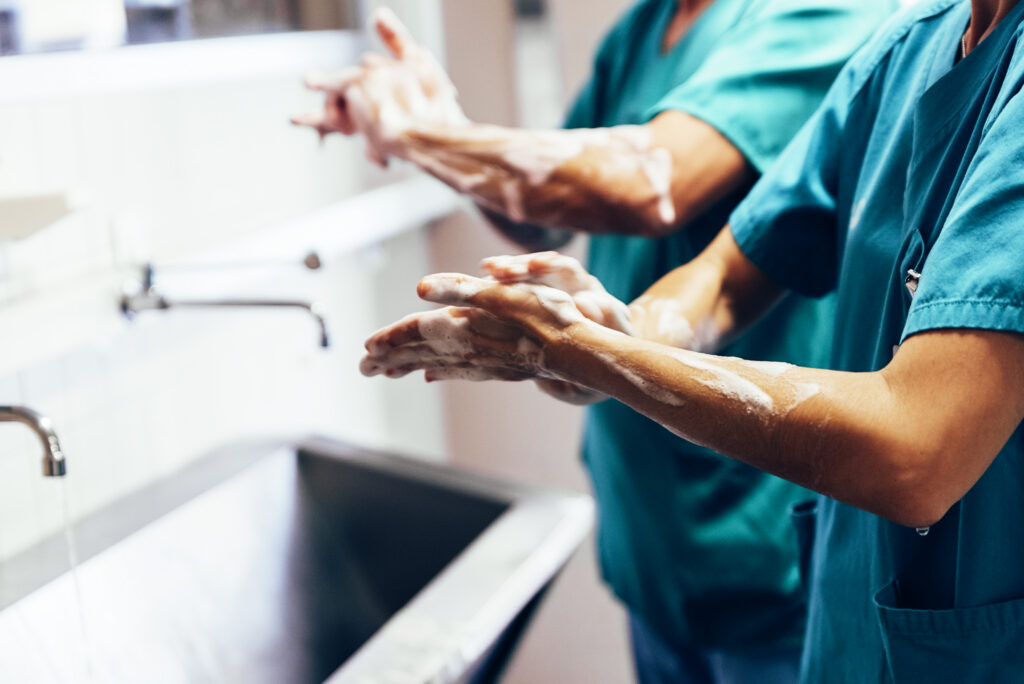
Workplace hygiene is more than simply keeping a space clean. It plays a vital role in protecting employee health, maintaining operational efficiency, and ensuring organisations meet regulatory standards. In industries where people interact with equipment, chemicals, shared facilities, and production environments, proper hygiene management becomes a fundamental part of responsible business operations.
Understanding Workplace Hygiene
Workplace hygiene refers to the practices and systems used to identify, evaluate, and control environmental factors that may affect the health and wellbeing of employees. These factors may include dust, chemical exposure, biological hazards, poor ventilation, waste management, and sanitation practices.
Without proper hygiene management, these risks can lead to workplace illnesses, reduced productivity, legal non-compliance, and reputational damage.
Why Hygiene Matters in the Workplace
1. Protecting Employee Health
Employees spend a significant portion of their day at work. Poor hygiene conditions can lead to respiratory issues, infections, skin conditions, and long-term occupational illnesses. Proper hygiene assessments help identify hazards early and implement preventive measures.
2. Improving Productivity
A clean and healthy environment directly affects morale and productivity. Employees working in hygienic spaces tend to have fewer sick days, better concentration, and higher overall performance.
3. Ensuring Regulatory Compliance
Many industries must comply with occupational health and environmental regulations. Regular hygiene assessments, monitoring, and documentation help organisations meet legal requirements and avoid penalties.
4. Strengthening Organisational Reputation
Clients, partners, and employees increasingly expect companies to operate responsibly. Maintaining high hygiene standards demonstrates commitment to employee welfare, environmental responsibility, and professional operations.
Key Elements of Workplace Hygiene Management
Effective hygiene management typically involves several important components:
-
Workplace Hygiene Assessments – Identifying potential health hazards in the work environment
-
Exposure Monitoring – Measuring levels of dust, chemicals, or biological contaminants
-
Risk Evaluation – Determining the potential impact on employees and operations
-
Control Measures – Implementing ventilation, protective equipment, sanitation procedures, or process improvements
-
Training and Awareness – Ensuring employees understand hygiene risks and safe work practices
Building a Culture of Hygiene
Sustainable workplace hygiene goes beyond periodic inspections. Organisations should aim to create a culture where hygiene and safety are part of everyday operations. This includes regular training, management commitment, clear procedures, and continuous improvement.
When hygiene is integrated into workplace culture, it reduces risks, supports employee wellbeing, and contributes to long-term organisational success.
Final Thoughts
Workplace hygiene is a strategic investment rather than an operational expense. By proactively identifying risks and implementing effective hygiene practices, organisations protect their people, strengthen compliance, and create healthier, more productive working environments.
For businesses looking to improve their hygiene standards, professional advisory and assessments can provide the expertise needed to identify risks and implement practical, effective solutions.